
Does your child cover their ears at loud noises, refuse to wear certain clothes, or have meltdowns in crowded places? You’re watching how their brains take in sensory information differently from other kids. When you get the right help now through sensory integration disorder therapy, it changes everything—not just today, but years down the road.
Why Do Some Kids Struggle with Everyday Sensations?
Think about what your brain does right now. It’s filtering out your shirt touching your skin, sounds from outside, how bright the room is, and maybe some cooking smells. Most of this stuff just fades away, so you can think about what matters.
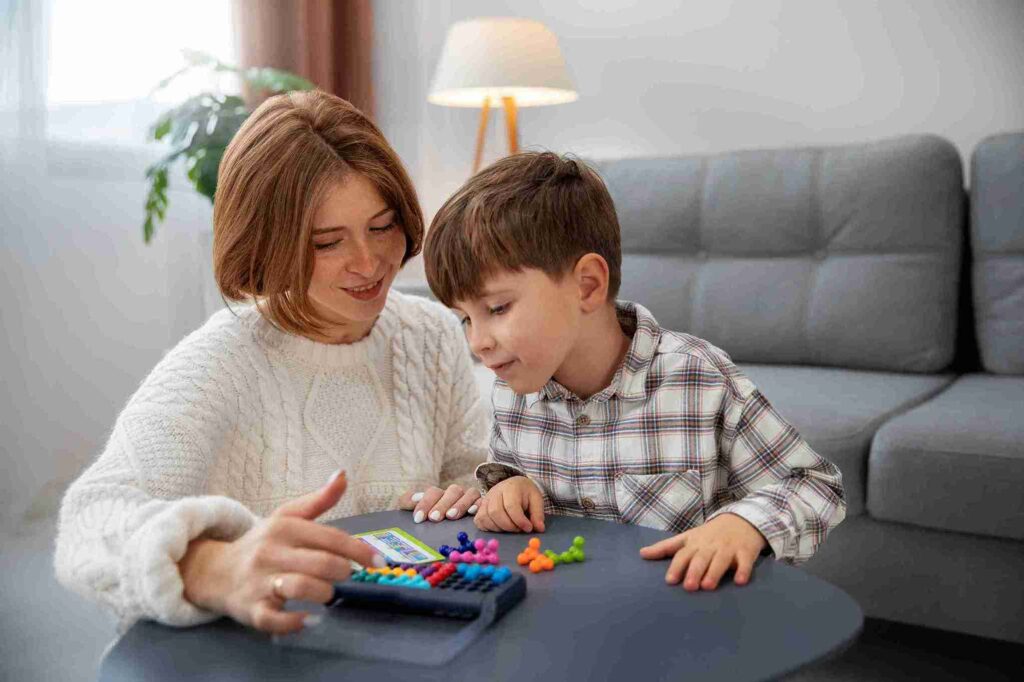
Some kids don’t have this filter working the same way. Everything hits them full force. That tag in their shirt? It’s like knives. The school cafeteria? Sounds like standing next to a jet engine. Those fluorescent lights? They hurt. Then you’ve got kids on the other side who barely notice anything and need intense stuff just to feel something.
Here’s what most parents don’t realize—kids usually don’t just grow out of this. But sensory integration disorder therapy gives them real tools that work long-term. Occupational therapists who know this stuff use activities that genuinely change how a kid’s brain handles what they feel, hear, and see.
How Does Better Emotional Control Help My Child’s Future?
When your child works with someone doing sensory processing therapy near me, something cool happens. They start catching their triggers before things explode. They figure out what calms them down when they’re stressed.
Through these sessions, kids start seeing patterns. Maybe they realize that tight hugs help, or finding a quiet corner works, or counting slowly brings them back down. These tricks become automatic habits; they don’t even think about them.
Here’s where it gets good. Adults who got this help when they were young? They handle job stress way better than people who don’t. When arguments happen, they don’t spiral out of control as fast. They notice when they’re hitting their limit before they completely burn out. Those tricks they learned as kids through sensory integration therapy? They’re still using them twenty, thirty years later.
Can Therapy Actually Improve My Child’s School Performance?
School asks for a lot. Kids need to sit still for hours. They’ve got to ignore a million distractions. They switch between math, reading, and science super-fast. Information comes at them through every sense all at once.
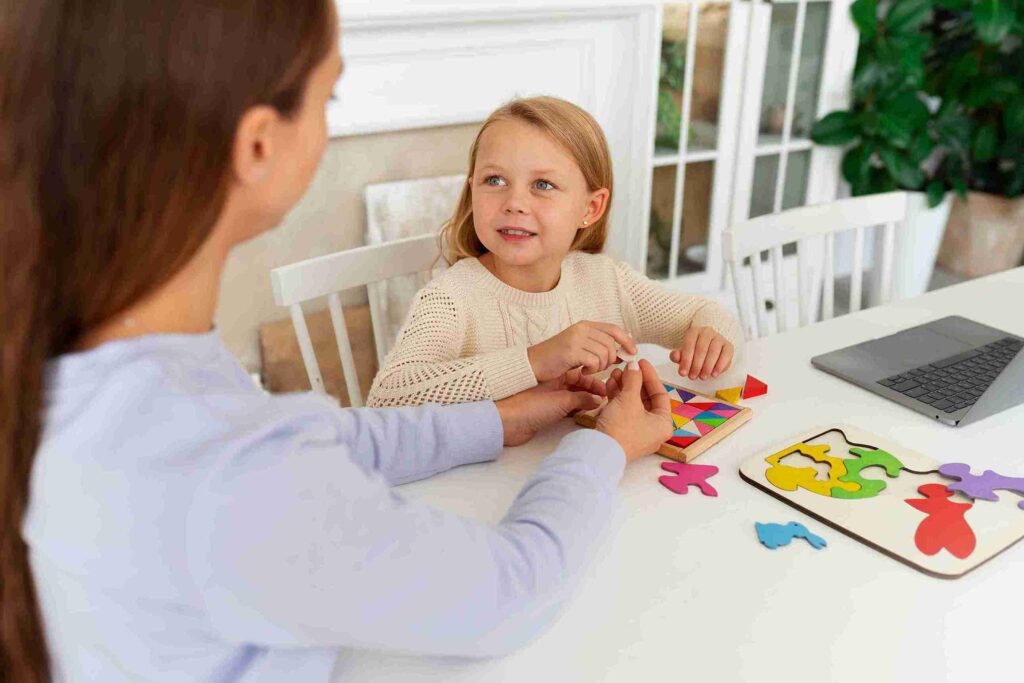
Kids dealing with sensory stuff? Just surviving the classroom eats up all their brain power. They need that energy for learning, but it’s going toward fighting those buzzing lights, those hard chairs, that kid who won’t stop tapping their pencil three desks over. For them, it’s not background noise—it’s chaos they’re constantly battling.
Sensory processing therapy near me teaches kids how to push aside what doesn’t matter. The therapist runs exercises that help them pay attention longer, sit more comfortably, and switch between activities more easily. It’s not about making kids “focus harder”—that doesn’t work. It’s about giving their brain the right tools for the job.
You’ll see it on report cards, sure. But watch how they act about school, too. Instead of fighting you every morning, they want to go. Teachers tell you they’re acting out less, finishing more homework, and raising their hands more often.
Kids who finish therapy? They keep these skills through high school and college. They’ve figured out their perfect study spot—maybe it’s a quiet library corner with good headphones, maybe it’s a standing desk where they can move around. They stopped fighting what their brain needs.
Will My Child Finally Build Real Friendships?
Sensory challenges really mess with making friends. Kids who get overwhelmed at birthday parties, can’t handle playgrounds, or freak out during group activities start avoiding all social stuff. This leads to being alone and missing out on learning how to make friends.

After sensory integration treatment, kids can handle being around other people much better. They still have their preferences—that doesn’t disappear. But now they’ve got strategies for tough situations. They learn to speak up for themselves—asking for a break, picking calmer activities, using tools that help—without feeling weird about it.
There’s a direct line between handling sensory stuff and being good with people. When kids aren’t drowning in overwhelming input, they’ve got brain space left over for reading faces, having conversations, and playing with others. Group sessions let them practice with other kids going through the same thing.
These social wins keep building. Teens who got help early say they have better friendships. They can handle restaurants, movie theatres, and school dances. As adults, they keep good relationships at work and in their personal lives because they learned how to ask for what they need.
What Physical Changes Will I Notice?
Watch a sensory integration disorder therapy session, and you might think it’s just playtime. Lots of swinging, climbing, jumping, and balancing. But there’s real science behind it.
Those activities zero in on the parts of the brain that handle planning movement and knowing where your body is. Kids who bump into everything? They’re learning spatial awareness. Can’t catch a ball to save their life? Hand-eye coordination’s getting better. Scared of playground stuff? Building confidence in moving their body.
These physical wins create a chain reaction. Kid masters the balance beam, decides to try a bike. Biking works out, maybe skateboarding’s next. That clumsy kid everyone worried about? Playing soccer now or taking dance classes.
Staying active pays off for decades. Adults who got sensory integration treatment as kids stay more active their whole lives. They get hurt less from coordination problems. A lot of them avoid chronic pain issues that come from bad posture and weird body mechanics.
How Does Therapy Build Independence?
This might be the biggest win long-term. Sensory processing treatment doesn’t just manage symptoms—it teaches kids to really understand themselves.
Kids learn what their senses need. Which fabrics feel okay, and which ones are torture? Does background music help them concentrate or kill it? Do they need to move around every hour, or would they rather sit with something to fidget with?
This understanding becomes super powerful as they get older. Young adults looking for apartments know they need quiet places with lots of natural light. They set up homes that work with their nervous system instead of against it.
Parents tell me all the time—the biggest surprise is watching their struggling kid turn into a capable adult. The sensory stuff doesn’t go away, but they’ve learned to work with how they’re wired instead of constantly fighting it.
Where Can I Find Quality Help?
Look for occupational therapists who specialize in sensory processing. When you search “sensory processing therapy near me,” read what other parents are saying. Ask therapists how they work, how they track if it’s helping, and how they involve families.

Starting young gives your child more time to build these skills before adult life hits. But if your kid’s older? Don’t stress about it. Teens and even adults see real improvements from good treatment.
The best sensory disorder therapy doesn’t stop when the session ends. Your therapist should give you specific activities and changes to make at home between visits.
Key Takeaways
- Kids who go through sensory integration disorder therapy pick up ways to handle the emotions that stick with them into their adult years
- Sensory integration therapy rewires how the brain takes in information, which helps kids do better in school
- Making friends becomes way less stressful once kids figure out how to deal with sensory overload
- Sensory integration treatment helps kids get better at physical coordination and builds up their confidence
- Children start understanding what works for their own bodies and learn to solve problems by themselves
Your Next Steps
Choosing therapy for your child is investing in their whole future. With the compassionate support of WisHope Recovery, you’ll begin to see immediate changes in how your child acts and feels—but the real payoff comes years later, when they live confidently, understand their needs, and aren’t held back by sensory differences. Every child’s journey looks different, but they’re all heading toward the same goal—more independence, healthier relationships, stronger emotional well-being, and real confidence. The skills they build today at WisHope Recovery help lay the foundation for a successful and fulfilling adult life.
If sensory challenges are making your child feel overwhelmed or slowing their development, now is the time to take action. Reach out to the caring specialists at WisHope Recovery and connect with a qualified occupational therapist. What you work on together today can make a lasting difference in their entire life.
Frequently Asked Questions
Does insurance cover this?
A lot of insurance plans cover occupational therapy when a doctor says it's medically necessary. Call your insurance company to check your specific coverage. Most therapy places help with the paperwork and getting authorization.
Can we do therapy activities at home without a professional?
You can do helpful stuff at home, but you need a professional to assess things first. Trained occupational therapists know which exercises help your specific kid. They create a personalized "sensory diet"—basically a daily plan of activities you do between sessions.
Is my child too young or too old for help?
Earlier is better because young brains adapt more easily. But sensory regulation treatment works at any age. If your child's struggling with sensory stuff, call a pediatric occupational therapist, no matter how old they are. Even teens and adults make real progress.