

Thoughtful Thursday. Resentment can feel like fuel. It keeps score, replays the argument, and rehearses what you should have said. For a while, it even feels like protection.
In recovery, it also takes up room your recovery needs. Letting go is one of the harder parts of getting well, and it does not look the way many people expect.
What Resentment Is
Anger shows up when something hurts or feels unfair. Then it usually fades. Resentment is anger you keep feeding. It replays the hurt until it becomes a standing grievance.
People in recovery often carry several. You might resent family members who doubted you, an employer who let you go, a program that felt too strict, or people who seem to have an easier time. Many people also resent themselves.
Sobriety can make this louder. Substances often dulled these feelings, and stopping removes the dulling. Our post on grief and loss in recovery makes a similar point. Feelings that waited in the background come forward once substance use stops.
Why It Matters for Recovery
Recovery circles have long treated resentment as a risk. Dr. Philippe Jacquet, a clinician who writes about addiction recovery, notes that resentment is sometimes called the “number one offender” in recovery. He describes relapse as a process that starts inside a person, often weeks or months before anyone picks up a substance. In his view, resentment wears down the inner conditions that recovery depends on. That is a clinician’s perspective, not a study result.
The research is still early. A 2024 study of college students found that self forgiveness was linked with less psychological distress and less vulnerability to using substances. The link ran both directly and through lower resentment. Forgiving other people showed a similar pattern, but less often. The study looked at one moment in time, so it cannot show that forgiveness caused the changes.
Researchers writing in Substance Abuse describe forgiveness as one possible way to reduce the harm resentment does to recovery. The idea is promising. It is not a guarantee.
What Forgiveness Is Not
Forgiveness does not mean the harm was fine. It does not mean you forget what happened. It does not mean you have to reconnect with the person who hurt you.
You can forgive someone and keep your distance. If a person harmed or abused you, you do not owe them access to your life. Forgiveness changes what you carry. It does not decide what they get.
Forgiveness also does not run on a deadline. You cannot force the feeling. Many people start by choosing to work toward it, and the feeling follows later.
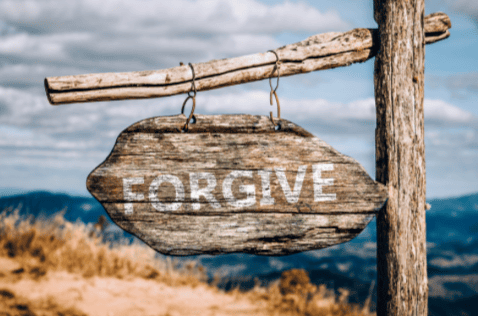
Forgiving Yourself
Many resentments point inward. You may replay what you said, what you took, or the time you lost. Self forgiveness does not erase responsibility. It works alongside it.
Make amends where you can. Change what you can change. Then stop using the past as a weapon against yourself. Carrying shame forever does not repay anyone, and it can make recovery harder to sustain.
Ways to Start
Name it on paper. Write down who or what you resent, what happened, and what holding on costs you today. Seeing it written down often shrinks it.
Separate the facts from the retelling. Ask what happened, then ask what story you have built around it. The second part is often louder than the first.
Ask what you need. Some resentments call for a boundary. Others call for a hard conversation, an amends, or simply more time. Not every one calls for contact.
Talk to someone safe. A sponsor, therapist, peer recovery coach, or support group can help you sort through it. Our Thoughtful Thursday post on what your support system should and shouldn’t do can help you decide who to lean on.
Start small. Pick a lower stakes resentment first. Practice there before you take on the biggest one.
Expect it to return. Letting go is not a single moment. A resentment may come back on a hard day. When it does, you can work through it again.
When to Ask for More Help
Some resentments grow out of trauma or abuse. Those often need more than journaling and good intentions. A trauma informed therapist can help you work through them at your own pace. Forgiveness is a choice you can make on your own terms, and healing does not depend on it.
The Bottom Line
Letting go of resentment does not let anyone off the hook, including you. It frees up energy that your recovery can use.
If carrying anger, shame, or old hurts is making recovery harder, you do not have to sort it out alone. Learn about our treatment programs or complete our online assessment form. Our admissions team can help you find the right fit.