
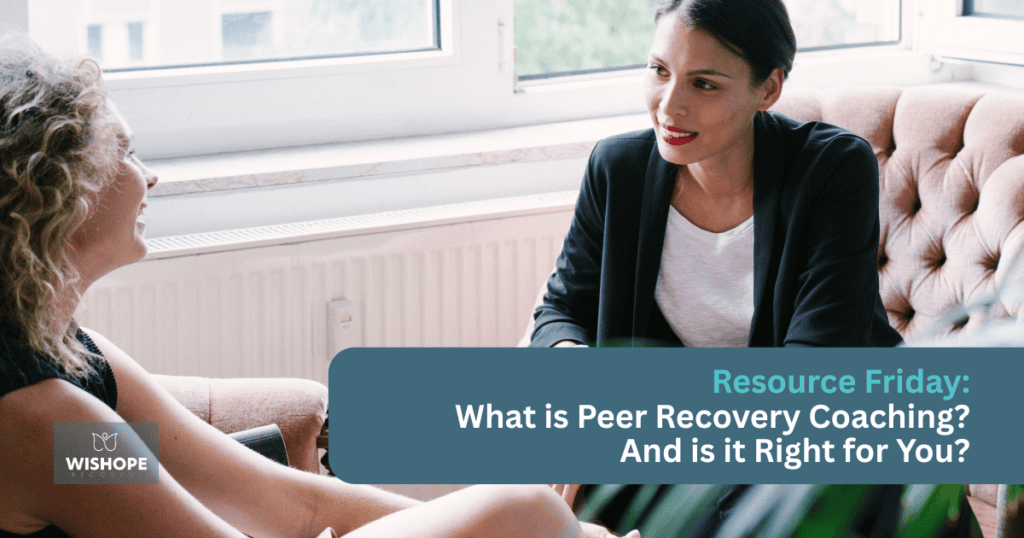
Peer Recovery Coaching has grown quickly as part of the broader recovery support landscape. But it’s often confused with therapy, sponsorship, or case management, so understanding what it actually is (and isn’t) helps clarify whether it’s a useful addition to your’s recovery support system.
What a Peer Recovery Coach Is
A peer recovery coach is someone with lived experience of addiction and recovery. In addition, they’ve completed formal training and certification to support others working toward their own recovery goals. The defining feature is shared experience: a peer coach has walked a version of the path themselves. And it shapes the relationship differently than a clinical or purely professional one.
Peer coaching is a distinct role from other recovery supports:
- Not therapy. A peer coach doesn’t provide clinical treatment, diagnosis, or therapy. They don’t replace a therapist, counselor, or psychiatrist.
- Not sponsorship. Sponsorship is specific to 12-step programs and rooted in a particular step-based framework. Peer coaching is model-agnostic and can support someone regardless of which recovery pathway they’re using — 12-step, SMART Recovery, medication-assisted treatment, faith-based, or a combination.
- Not case management. Case managers typically coordinate services, benefits, and logistics within a formal system. Peer coaches focus more directly on the relationship and the individual’s self-defined goals.
What a Peer Recovery Coach Actually Does
The work is practical and relationship-centered. It typically includes:
- Helping someone identify and clarify their own recovery goals, rather than prescribing a specific path
- Providing accountability through regular check-ins
- Sharing lived-experience perspective on navigating cravings, relapse, family relationships, or reintegration into work and community
- Connecting someone to other resources — treatment options, support groups, housing, employment support — without acting as their clinician
- Offering support during transitions that are often high-risk for relapse, such as leaving treatment, reentering the community, or navigating early sobriety

The relationship is collaborative rather than directive. A peer coach doesn’t tell someone what their recovery should look like. The role is to support the person in building and sustaining the path they’ve chosen for themselves.
Why Lived Experience Matters Clinically
Peer support is increasingly recognized in the clinical literature as a meaningful complement to formal treatment, not a replacement for it. The value isn’t just emotional. Someone who has navigated recovery themselves often has credibility and relatability that can reduce shame, increase engagement, and make it easier for a person to be honest about setbacks without fear of judgment.
This doesn’t mean peer coaching is a substitute for clinical care when clinical care is needed. Someone with an untreated co-occurring mental health condition, unmanaged withdrawal risk, or acute crisis needs a licensed clinician, not a peer coach alone. Peer coaching works best as one part of a broader support system, not the entirety of it.
Is Peer Coaching Right for You?
A few questions can help clarify fit:
- Are you looking for ongoing, practical support and accountability, rather than clinical treatment specifically?
- Would it help to work with someone who has direct lived experience with addiction and recovery, rather than only clinical training?
- Are you navigating a transition (leaving treatment, early recovery, reentering work or family life) where consistent outside support would help?
- Do you already have clinical care in place (or are you seeking it separately), with peer coaching as an addition rather than a substitute?
If the answer to most of these is yes, peer coaching is worth exploring as part of a recovery plan. If there’s an active, untreated clinical need, that should be addressed with a licensed provider first, with peer coaching added alongside it as support.
Finding a Peer Recovery Coach
Contact WisHope. There are dedicated Peer Recovery Coaches ready to hear from you. Call 844-WIS-HOPE, or fill out our Assessment Form here.
Or you could also look for coaches who are certified through a recognized state or national credentialing body, which confirms the coach has completed required training, supervised hours, and an ethics standard. And not just personal recovery experience alone. Many treatment centers, community mental health organizations, and recovery community organizations can help connect people with certified peer coaches in their area.
Recovery support doesn’t have to come from just one source. Peer coaching is one more tool that can make the difference between a recovery plan that exists on paper and one that’s actually sustained day to day.
If you would like to share your story of recovery, please reach out. You can SHARE YOUR STORY HERE.
If you would like to talk to someone about recovery, just call us at 262-701-7257, or click here for our pre-screen application. Or, call SAMHSA’s National Helpline at 1-800-662-4357 (free, confidential, 24/7).