
Introduction
Recovery from addiction involves more than discontinuing the use of substances. Recovery also implies going back to a satisfying, well-rounded life. Due to the many intertwined mental disorders like anxiety, depression, or PTSD, recreation therapy enters the picture with a holistic, engaging, and research-supported modality.
Recreation therapy isn’t all fun and games; it helps to buttress sobriety and improve mental health. In this blog, we will discuss the implementation of Occupational therapy or recreation therapy, its benefits, and the long-term care it provides in the successful recovery of the client.

What is Recreation Therapy?
Recreation therapy, the same as therapeutic recreation, is a systematic type of applied movement, creative expression, and social engagement for the improvement of mental and emotional well-being. The areas this covers are:
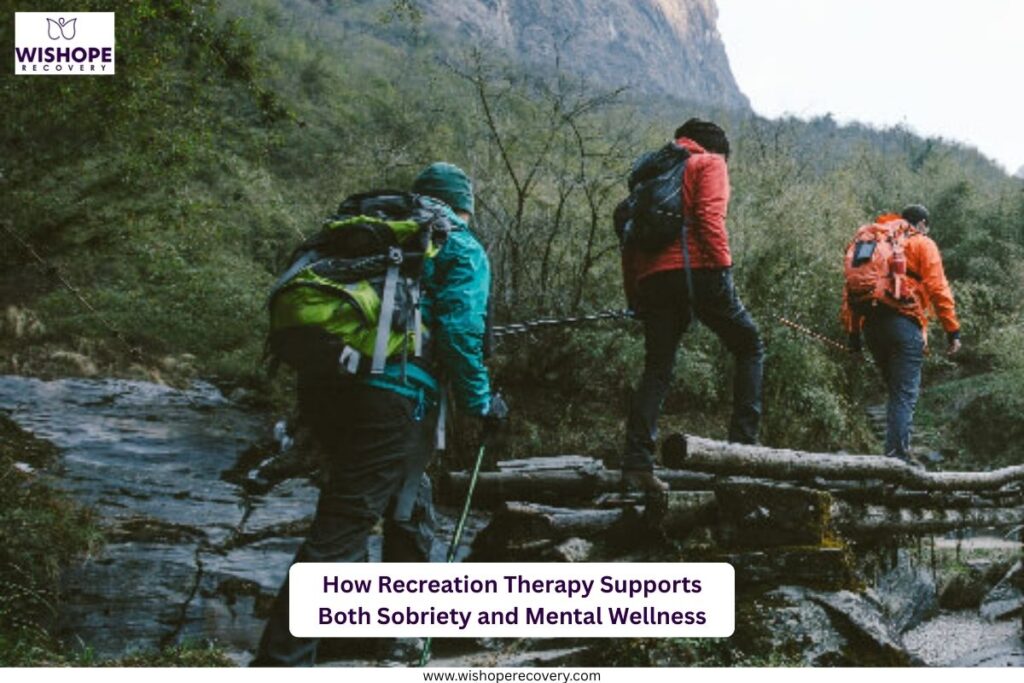
- Outdoors: Hiking, river rafting, ropes course, adventure therapy
- Creative Arts: Music, painting, dance therapy
- Mind-Body Techniques: Yoga, meditation, tai chi
- Team Activities: Sports and games, group service
Programs are designed by Certified Recreational Therapists (CTRS) to help in individual recovery to build resilience, cope with stress, and develop positive coping strategies.
How Recreation Therapy Fosters Sobriety
Mitigation of Triggers and Cravings:
Offering diversions as well as coping skills will help reduce temptations to relapse. Engaging in healthy, enjoyable activities will reprogram the brain to look for natural sources of pleasure rather than chemicals.
Encouragement of a Healthy Lifestyle:
Recreation therapy programs aim to deal with the physical condition of the recovering drug addict. Most of these therapies include movement and some kind of exercise, thus building stamina, inducing good sleep, and relieving stress.
Establishes Important Connections:
Isolation is one of the most common relapse triggers. Recreation therapy activities help forge social support through team building and shared experiences, which in turn help to build positive sober relationships.
Emotional Stabilization:
Art, music, and nature therapies give patients a safe environment in which to express their feelings, thereby reducing the impulsivity and emotional distress that tend to inhibit sobriety.
Growth and Purpose:
Recovery brings with it cleansing of self, not only from substances but also a restoration of interests and hobbies. Through recreation therapy, the healing process works positively by reinstating the patient’s confidence and motivation to embark on a meaningful life.
Recreation therapy, in detail, works to foster one’s mental well-being by ameliorating symptoms of anxiety and depression.

Distraction from Lifesworth Goals:
Feeling pretty bad about themselves is a common problem for many who are in recovery. Each small step in recreation therapy, be it finishing that painting or going on that hike, nurtures self-confidence little by little.
Stress Management Skills:
In recreation therapy programs, some stress can be relieved through techniques such as yoga, deep breathing, and meditation, which support recovery.
Mindfulness and Living in the Present:
Letting go of regrets of the past, as well as anxiety about the future, may be practiced during art and music therapy, as well as nature walks.
Healing in the Emotional Domain:
People are taught to substitute substances with different expressive therapeutic ways to deal with trauma, loss, and emotional pain.
Who Stands to Benefit from Recreational Therapy?
Recreational therapy proves to be beneficial for:
- People recovering from substance abuse
- Persons having co-occurring mental disorders (dual diagnosis)
- Families and loved ones healing together
- Therapists and counselors who wish to augment the conventional treatment
- Employers wishing to offer their support to workplace recovery programs
Conclusion: A Fun and Effective Path to Recovery
Recreation therapy is a new, motivational, and well-researched method of facilitating recovery toward sobriety and mental fitness. Such complements enjoyable activities with the specific recovery journey to forge resilience, self-confidence, and a healthy mindset, all of which are critical for success in the long term.
One of the therapeutic alternatives for rehabilitation is recreation therapy for any addict and the associated individuals. Anything that comes under the header of “mental health problems” would include anything from mood disorders like grave anxiety and depression to addictions. One’s healing may not have to be difficult; it may also be empowering, fulfilling, and enjoyable.
FAQs
How does recreation therapy fit into WisHope's overall treatment approach?
Recreation therapy at WisHope Recovery is not a standalone activity — it is one part of a comprehensive, whole-person treatment model. It works alongside our residential treatment, CBT, DBT, individual therapy, family therapy, dual diagnosis care, trauma-informed care, and mindfulness-based therapy. This integrated approach ensures that the mind, body, and spirit are all supported throughout your recovery, helping you achieve lasting sobriety and improved mental wellness.
Does WisHope Recovery's recreation therapy program treat co-occurring mental health disorders?
Yes. WisHope Recovery Center specialises in treating substance use disorders alongside co-occurring mental health conditions such as depression, anxiety, bipolar disorder, and schizoaffective disorder. Our recreation therapy program is specifically designed to reduce depression, stress, and anxiety while simultaneously building confidence and socialisation skills — making it particularly effective for individuals managing both addiction and a mental health condition at the same time.
Is recreation therapy at WisHope Recovery covered by insurance?
WisHope Recovery Center is covered by most major insurance providers, including United Health Care, UMR, Blue Cross Blue Shield, Anthem, Aetna, Quartz, Cigna, Humana, WEA Trust, WPS, Sanford, Exceedent, and Forest County Potawatomi. We recommend using our online insurance verification tool or calling us directly at 262-701-7257 to confirm your specific coverage before beginning treatment.
Who is WisHope Recovery Center's recreation therapy program suitable for?
WisHope Recovery's recreation therapy program is suitable for adults in Wisconsin who are struggling with substance use disorders, co-occurring mental health conditions, or both. Whether you are enrolled in our residential treatment program (30–90 days of 24-hour care) or our extended care outpatient program, recreation therapy is incorporated into your personalised treatment plan. Our team meets each person where they are, tailoring activities to their specific needs, interests, and recovery goals so that everyone — regardless of their background or stage of recovery — can benefit.