
Momentum Monday
What Is Dual Diagnosis?And Why Treating Both Matters
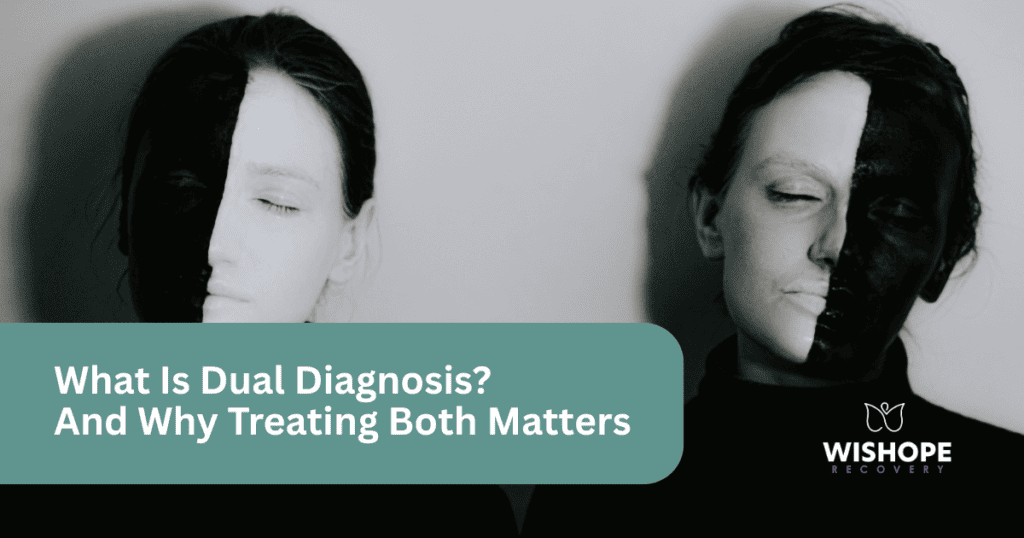
Dual diagnosis means a person faces addiction and a mental health condition at the same time. Depression, anxiety, PTSD, and bipolar disorder are common pairings. Neither condition is rare, and neither one is secondary to the other.
Dual Diagnosis Isn’t a Rare Exception
A common myth treats dual diagnosis as an edge case. As if it’s something that affects a small subset of people in treatment. The data says otherwise. Research consistently shows that a large share of people with a substance use disorder also meet criteria for a mental health condition, and vice versa. Treating dual diagnosis as unusual leads programs to under-screen for it, which delays proper care.
Why the Two Conditions Feed Each Other
Addiction and mental health conditions often reinforce one another. A person with untreated anxiety may use alcohol to manage physical symptoms. A person using stimulants may develop or worsen underlying depression. Over time, each condition can intensify the other, making it harder to treat either one in isolation.
This cycle explains why treating only the addiction, or only the mental health condition, often doesn’t hold. The untreated half keeps pulling a person back toward the other.
Why Treating Both at Once Matters
Integrated treatment addresses both conditions in the same program, with the same care team, at the same time. This differs from older models that treated addiction first and mental health second, often in separate systems that didn’t communicate.
Treating both conditions together offers several advantages:
- A single, coordinated treatment plan instead of two conflicting ones
- Medication management that accounts for both conditions
- Therapy that addresses the interaction between the two, not just each one separately
- Lower risk of relapse driven by an untreated underlying condition
What This Means for Choosing a Program
Anyone evaluating a treatment program should ask directly whether it screens for co-occurring conditions and whether it treats them together or separately. A program that only asks about substance use, without screening for mental health history, may miss half of what’s actually driving the addiction.
The Bottom Line
Dual diagnosis isn’t a complication that occasionally comes up. It’s a common reality for many people seeking treatment. Programs built to treat both conditions together, rather than one after the other, tend to offer a more complete path to lasting recovery. Call us at 262-701-7257 and we can find the right path for you.