
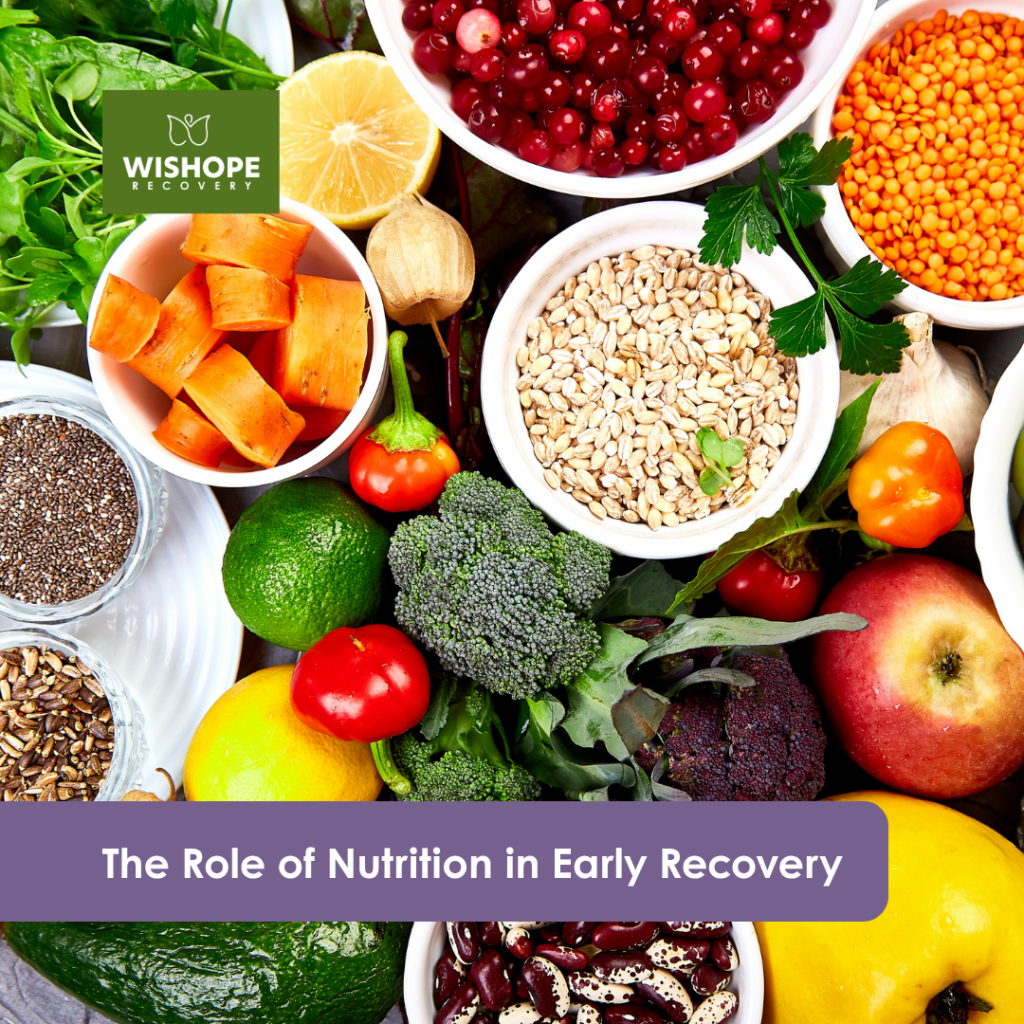
Wellness Wednesday. Nutrition in early recovery should really get more attention than it does. It usually takes a backseat to the perceived larger needs of therapy, medication, and peer support. But substance use drains the body of nutrition, and can make early recovery much more difficult than it needs to be.
Why Malnutrition Is So Common in Early Recovery
Chronic substance use interrupts nearly every aspect of the way your body processes food. According to the National Association of Addiction Treatment Providers, mild to moderate malnutrition shows up in 24 to 50 percent of people, and nearly 88 percent would benefit from professional nutritional support. Some substances suppress appetite, while others damage the liver and digestive system. The latter impairs how well the body absorbs whatever is eaten.
A review published in Drug and Alcohol Dependence discovered that people with drug use and alcohol disorders tend to consistently show nutrient deficiencies, which are linked to muscle and bone problems, as well as mood disorders such as anxiety and depression.
The Nutrients Most Commonly Depleted
Upon entering treatment, research shows a regular pattern of deficiencies among people entering treatment, including:
- B vitamins, particularly B6, B12, and folate
- Vitamin D and vitamin C
- Iron
- Calcium and magnesium
- Essential amino acids, including tryptophan and tyrosine

These deficiencies are not minor occurrences. Several of these nutrients play an important role in the neurotransmitter production and brain regulation of mood. Meaning a deficiency can worsen symptoms, fatigue, mood, and sleep, making early recovery incredibly difficult.
Why This Matters for Cravings and Mood
Nutrient deficiencies affect more than just physical health. Psychological symptoms can be directly adversely affected, making relapse more likely. Low levels of amino acids and B vitamins, which are involved in transmitter production, can intensify or mimic depression, fatigue, and poor concentration. And often these symptoms are already present in early recovery for other reasons.
Nutrient deficiency and early recovery itself can produce similar symptoms, a difficult overlap making it hard to tell if a hard day is emotional, or physiological, or both. That said, addressing nutrition won’t eliminate the necessary emotional work of recovery. But it will remove one challenging layer that is often fixable.
What Actually Helps
Several approaches with evidence to back them up appear often in research and clinical practice:
- Eat regular balanced meals rather than skipped or irregular eating
- Eat lean proteins, leafy greens, whole grains, and fortified foods because they’re rich in commonly depleted nutrients
- Take a basic multivitamin, particularly if you’re unable to eat a fully adequate diet early on
- LImit sugar and caffeine because they can worsen mood swings and disrupt sleep
- If available, work with a registered dietitian, because deficiencies and needs can vary quite differently from person to person
Though it may feel so, none of these recommendations need to be complicated or expensive. What matters most is consistency, especially in the first few weeks when routine and appetite are still stabilizing.
The Bottom Line
Nutrition shouldn’t be a wellness maybe. It’s a physiological factor directly affecting your mood, energy, and ability to grab onto the harder emotional work of treatment. Address it early, because it’s one of the more useful tools available. Contact us to get a better look at the full recovery picture.