
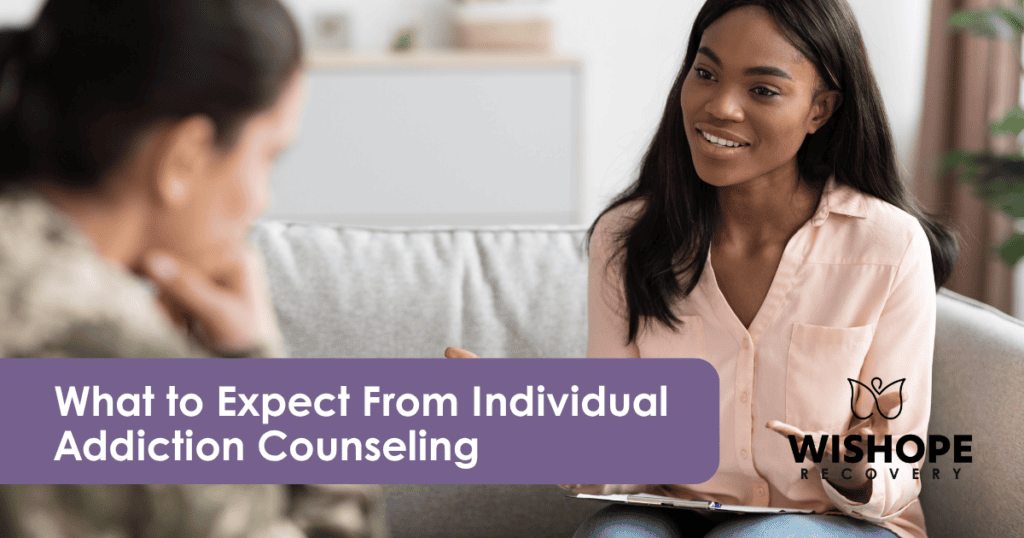
When someone begins addiction treatment, one of the biggest questions is often, “What will actually happen during counseling?” Individual addiction counseling gives people a private setting where they can speak openly with a trained professional about substance use, emotions, relationships, stress, and recovery goals.
One-to-one counseling allows for individualized treatment because the sessions can be tailored according to the patient’s experience, challenges, treatment needs, and progress. At WisHope Recovery, individual therapy is incorporated in a holistic approach that includes treatment of substance use disorder and associated psychological issues.
What Is Individual Addiction Counseling?
Addiction individual counseling is an addiction counseling program carried out individually between a person recovering from addictions and a trained treatment provider. Such programs create a secure space where issues affecting the addict personally are discussed.
This does not imply discussions about the use of drugs alone. The therapy can offer insight into the feelings, experiences, actions, and behaviors that may make one use drugs.
No addict is the same in their history with substance abuse. There may be some cases where the addict is suffering from past trauma, anxiety, depression, family problems, stress, and inability to manage his/her emotions. All these personal issues can be sorted in individual therapy.
At WisHope Recovery, treatment is personalized depending on the needs of the patients. The center specializes in individual therapy programs, which take care of the whole being of the patient along with substance abuse and co-occurring disorders.
What Happens During the First Counseling Session?
The initial meeting often revolves around understanding more about the individual and determining the reasons why he or she has come in for counseling. Questions about one’s addiction history, life, problems, relationships, mental state, and recovery intentions will most likely be asked by the counselor.
Through this discussion, the treatment professional will gain an understanding of the whole situation. This is because addiction is not something that happens in a vacuum, and it is helpful for treatment professionals to know about the individual’s circumstances.
The client may also discuss his or her goals for counseling. Some individuals may have different goals for their counseling sessions, such as stopping substance abuse, healing relationships, dealing with cravings, improving emotional well-being, and preparing for life after treatment.
It should be noted that having all one’s ducks lined up before the first session is not necessary. Treatment goals may change throughout the counseling period.
Is Individual Addiction Counseling Confidential?
One of the aspects of individual counseling is privacy. Private conversation with the counselor makes it possible to talk about such things that might be hard, embarrassing, and uncomfortable to say in front of other people.
There is a need to talk about guilty, shameful, fearful, angry, traumatic feelings or addictions-related cravings and behavior. The availability of personal time ensures that all these issues will get due attention.
Establishing the trust relationship with the counselor takes time too. Clients do not need to talk about all their difficulties in the first counseling session. They can go into greater depths gradually while developing the relationship with the counselor.
Confidentiality is bound by law and other requirements and restrictions that can be explained at the stage of the treatment program admission process.
What Can You Work On During Individual Addiction Counseling?
Individual addiction counseling can address many areas of a person’s life. The exact focus depends on individual circumstances and treatment goals.
Identifying Addiction Triggers
Identifying triggers is one of the crucial elements of the recovery process, which can include understanding what makes a person crave using substances.
The therapist can assist a client in identifying the triggers associated with substance abuse. Such triggers can be stress at work, conflicts with someone close, feeling lonely, particular social settings, or uncomfortable feelings.
Once the triggers are identified, it becomes easier to start working on alternative ways of coping with them.
Understanding Thoughts and Behaviors
The addiction influences the thinking process as well as behavior of the individual. Some individuals think in such a manner that taking drugs will be the easiest way of coping with stressful situations and emotions.
With the help of counseling, the client is guided in evaluating their thinking process and seeking alternatives. For example, cognitive behavioral therapy entails evaluating negative thinking and behavior patterns.
The objective is not to make a moral evaluation of the behavior of an individual. It is aimed at helping the individual recognize the pattern and make the right choices.
Developing Healthy Coping Skills
Even when one discontinues substance abuse, the stress and challenging feelings persist. It is therefore vital to learn how to deal with such feelings without reverting back to substance abuse.
Individual counseling can assist clients in identifying appropriate coping mechanisms in relation to their personal situation, which may involve techniques for emotional regulation, communication, mindfulness, problem solving, or any other healthy way of coping.
With time, such techniques can be helpful in dealing with difficulties beyond the treatment setting.
Managing Cravings
Cravings may be a hard aspect of recovering from addictions. Cravings tend to come about unexpectedly or become strong at times of stress.
Clients have the opportunity to identify their cravings, and when these cravings tend to be the strongest in individual counseling sessions. A counselor will then assist in developing coping mechanisms to deal with the cravings without yielding to them.
Being able to identify cravings as an experience that can be dealt with, rather than something one is compelled to act on, is essential to recovery.
Addressing Trauma and Past Experiences
Some people use substances as a way to escape emotional pain associated with past experiences. Trauma, loss, difficult relationships, or other experiences can affect how a person responds to stress and emotions.
Individual counseling provides an opportunity to explore these experiences in a structured and supportive environment. Trauma-informed care can help treatment professionals understand how past experiences may affect a person’s current behavior.
The pace of this work matters. Counseling should be approached in a way that considers the individual’s emotional readiness and overall treatment needs.
Supporting Mental Health
Substance use and mental health concerns can occur together. A person may experience anxiety, depression, trauma-related symptoms, mood concerns, or other challenges alongside addiction.
Individual counseling can provide space to explore these concerns and understand how they may interact with substance use. WisHope Recovery uses an integrated approach for people dealing with substance use and co-occurring mental health conditions.
Addressing both areas can help create a more complete recovery plan rather than focusing only on substance use.
How Therapists Help During Individual Counseling
A counselor’s role is not simply to tell a client what to do. Therapy involves collaboration, conversation, reflection, skill development, and ongoing support.
The therapist may ask questions that help the client examine their experiences from a different perspective. They may also help identify patterns that the client has not previously recognized.
At WisHope Recovery, therapeutic approaches can include cognitive behavioral therapy, dialectical behavior therapy, motivational interviewing, trauma-informed care, and other evidence-based or holistic approaches.
The specific approach used can depend on the client’s needs, treatment goals, clinical assessment, and progress.
Building Motivation for Recovery
Not everyone enters treatment feeling completely confident about recovery. Some people may want to change but still feel uncertain about giving up substances.
Motivational interviewing can help people explore their reasons for change without unnecessary pressure. The approach encourages clients to consider their values, goals, concerns, and the consequences of continuing current behaviors.
This can help individuals develop their own reasons for making healthier choices. Building internal motivation can be particularly valuable as clients move from structured treatment toward greater independence.
Improving Emotional Awareness
Addiction can sometimes become a way of avoiding difficult emotions. When substance use becomes the primary coping mechanism, a person may have difficulty identifying what they are feeling or why they are feeling it.
Individual counseling creates space to slow down and examine emotions. Clients can learn to recognize feelings such as anger, sadness, fear, loneliness, frustration, or shame.
Greater emotional awareness can make it easier to respond to difficult situations instead of immediately turning to unhealthy behaviors.
Working on Relationships and Communication
Addiction can affect relationships with partners, family members, friends, and coworkers. Trust may be damaged, communication may become difficult, and unresolved conflicts can create additional stress.
Individual counseling can help clients examine how addiction has affected their relationships. They may work on communication, boundaries, accountability, emotional regulation, and healthier ways of responding to conflict.
Family therapy can also be incorporated when appropriate. WisHope Recovery recognizes family involvement as an important part of supporting long-term recovery and offers family therapy programming.
Creating a Relapse Prevention Plan
Recovery does not end when a person finishes a treatment program. Preparing for challenges after treatment is an important part of long-term recovery planning.
Individual counseling can help clients identify situations that may increase their risk of returning to substance use. These could include certain people, places, emotions, routines, or stressful circumstances.
A relapse prevention plan can include strategies for managing cravings, maintaining supportive relationships, recognizing warning signs, and knowing when to ask for additional help.
The goal is to help clients leave treatment with practical tools they can use in everyday life.
What Does a Typical Counseling Session Look Like?
There is no single script for every individual counseling session. The conversation can change depending on what the client is experiencing and what goals are being addressed.
A session may begin with a check-in about how the person has been doing since the previous meeting. The counselor may ask about mood, cravings, challenges, successes, relationships, or progress toward treatment goals.
The session may then focus on a specific concern. This could involve discussing a trigger, practicing a coping strategy, exploring a thought pattern, processing an emotional experience, or planning for an upcoming challenge.
Before the session ends, the counselor and client may identify what the client wants to focus on before the next meeting. This helps connect therapy discussions with real-life recovery.
How Long Does Individual Addiction Counseling Take?
The length of individual addiction counseling varies from person to person. Some individuals may need short-term support, while others benefit from ongoing therapy as they continue working through recovery goals.
Treatment length can depend on the severity of substance use, mental health needs, personal circumstances, progress, and the level of care being provided.
WisHope Recovery offers different levels of treatment and individualized treatment planning. Residential treatment, outpatient treatment, extended care, and other services may be considered depending on a person’s needs.
The most appropriate treatment schedule should be determined through a professional assessment rather than a fixed timeline.
How Individual Counseling Fits Into Addiction Treatment
Individual addiction counseling is often one part of a broader recovery program. Addiction can affect physical health, mental health, relationships, work, housing, and other areas of life.
For this reason, treatment may combine individual counseling with group therapy, family therapy, medication-assisted treatment, experiential therapy, peer recovery support, and other services.
WisHope Recovery uses a multidimensional approach that can include individual and group therapies, family support, behavioral therapies, trauma-informed care, mindfulness-based therapy, and other recovery services.
Combining different forms of support can help clients address both their immediate treatment needs and their longer-term recovery goals.
What Are the Benefits of One-on-One Counseling?
One of the main benefits of individual counseling is the ability to focus directly on the client’s personal situation.
A client does not have to compare their recovery journey with someone else’s. Instead, the conversation can center on their experiences, concerns, strengths, goals, and challenges.
Individual counseling may also provide an opportunity to discuss sensitive subjects privately. This can be particularly helpful for people who are uncomfortable discussing trauma, mental health concerns, family conflict, or other personal issues in a group.
Another benefit is individualized skill development. A counselor can help identify which coping strategies may be most useful for a particular person’s circumstances.
What If You Feel Nervous About Counseling?
Feeling nervous before the first counseling session is completely understandable. Talking about addiction and personal experiences with someone new can feel uncomfortable.
You do not need to know exactly what to say before your appointment. A counselor can guide the conversation and help you identify the areas that are most important to address.
Being honest about your concerns can help your treatment team understand what kind of support you need. Recovery is a process, and counseling is designed to support you throughout that process.
Why Choose WisHope Recovery for Individual Addiction Counseling?
WisHope Recovery provides individualized addiction and mental health treatment designed around each client’s needs. The center works with licensed professionals and uses a range of therapeutic approaches to support recovery.
Its treatment model focuses on the whole person rather than addiction alone. This can include addressing mental health, relationships, emotional health, physical well-being, housing, employment, and other factors that can influence long-term recovery.
WisHope Recovery also offers different levels of care, allowing treatment planning to be based on a person’s circumstances and clinical needs.
Take the Next Step Toward Recovery
Starting individual addiction counseling can feel like a major step, but you do not have to understand every part of recovery before asking for help.
One-on-one counseling can provide a private place to understand your substance use, identify triggers, work through difficult emotions, develop healthier coping strategies, and create realistic recovery goals.
At WisHope Recovery, treatment is centered on individualized care and helping people work toward healthier, more meaningful lives. If you or someone you care about is struggling with addiction, reaching out to a qualified treatment professional can be the first step toward understanding what type of support may be appropriate.
Frequently Asked Questions
What happens during individual addiction counseling?
Sessions can include discussions about substance use, triggers, cravings, emotions, relationships, stress, past experiences, and recovery goals. The counselor and client work together to identify challenges and develop healthier ways to respond.
Is individual counseling different from group therapy?
Yes. Individual counseling involves one client and a therapist, allowing the discussion to focus specifically on that person's experiences. Group therapy involves multiple participants and provides opportunities for shared experiences, peer support, and accountability.
Can individual counseling help with cravings?
Individual counseling can help clients understand what triggers their cravings and develop strategies for managing them. Counselors can work with clients to identify patterns and practice healthier responses to situations that may increase the desire to use substances.
Can individual addiction counseling address mental health?
Yes. Mental health concerns can be addressed as part of an integrated addiction treatment approach. WisHope Recovery provides support for co-occurring concerns such as anxiety, depression, trauma, and other mental health conditions.
Can therapy help with addiction-related trauma?
Individual therapy can provide a private setting to explore difficult experiences and understand how they may affect current thoughts, emotions, and behaviors. Trauma-informed approaches can help ensure that this work is handled with attention to safety and individual readiness.
Will I have to talk about everything during my first session?
No. The first session is generally an opportunity to begin building a therapeutic relationship and discuss your current situation and goals. Deeper topics can be explored gradually as trust develops.
How often will I attend individual counseling?
The frequency of sessions depends on the person's treatment plan, level of care, clinical needs, and progress. A treatment professional can recommend an appropriate schedule based on an individual assessment.
Can individual counseling help prevent relapse?
Counseling can support relapse prevention by helping clients recognize triggers, understand warning signs, develop coping skills, and prepare for challenging situations. These skills can become part of a broader continuing-care plan.
Does WisHope Recovery offer individual addiction counseling?
Yes. WisHope Recovery offers individual therapy as part of its addiction and mental health treatment services. Its approach is tailored to the needs of each client and can incorporate different therapeutic modalities depending on treatment goals.
Can individual counseling be combined with other addiction treatments?
Yes. Individual counseling can be incorporated alongside services such as group therapy, family therapy, medication-assisted treatment, behavioral therapies, experiential therapy, and other recovery support services, depending on the individual's treatment plan.
How do I get started with addiction treatment?
The first step is to contact a qualified treatment provider for an assessment. WisHope Recovery provides a confidential online assessment and admissions support to help determine an appropriate treatment pathway.