
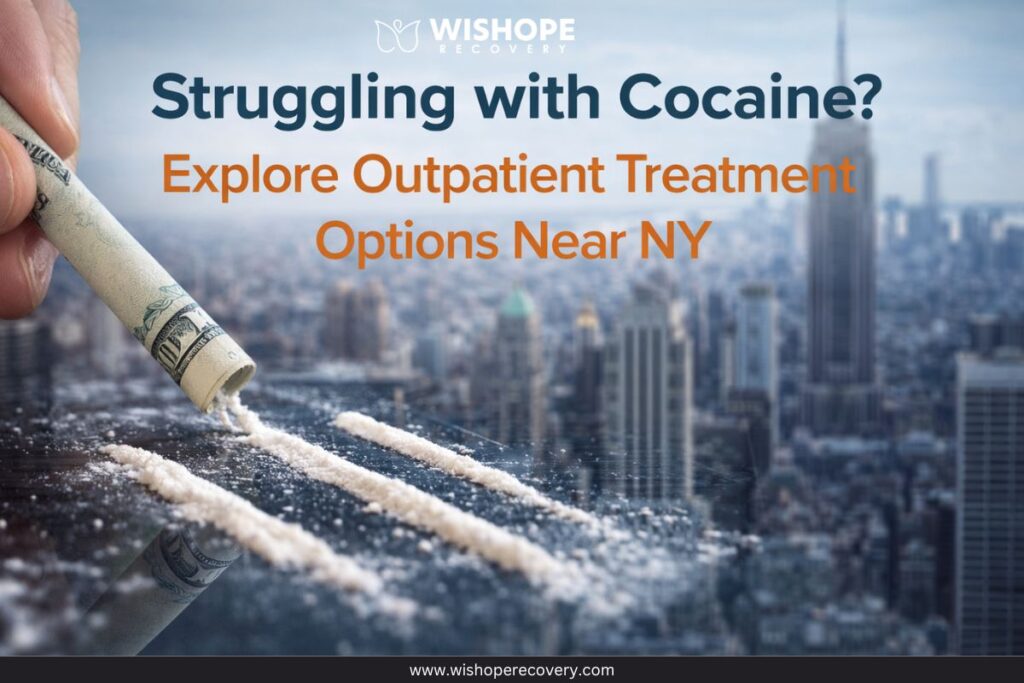
Cocaine addiction can feel overwhelming, confusing, and isolating. Many people want help but are unsure where to start or what type of care fits their life. If you are working, caring for family, or simply not ready for inpatient care, searching for outpatient treatment for cocaine addiction near NY may be a practical first step. This guide explains how outpatient care works, who it helps, and how to find the right support close to home.
Key Takeaways:
- The brain is affected by cocaine addiction, and there is often a need for professional help
- Outpatient treatments allow for flexibility while also providing structure
- The combination of therapy and medication improves outcomes
- Local programs promote continuity and long-term recovery
- The sooner you act, the better the chance of a long-lasting sobriety
Why Is Cocaine Addiction So Hard to Quit on Your Own?
Cocaine strongly affects the brain’s reward system. It increases dopamine levels, which creates intense but short-lived pleasure. Over time, the brain starts to rely on cocaine to feel normal.
According to the National Institute on Drug Abuse (NIDA), repeated cocaine use can change how the brain handles stress, decision-making, and impulse control. This is why stopping without support often leads to relapse.
Common challenges include:
- Strong cravings that appear suddenly
- Mood swings, anxiety, and depression
- Sleep problems and low energy
- Difficulty focusing at work or school
These symptoms are not a lack of willpower. They are signs that professional care is needed.
What Does Outpatient Treatment Really Mean?
Outpatient care allows you to live at home while attending scheduled treatment sessions. It offers structure without removing you from daily life.
Many people search for outpatient treatment for cocaine addiction near me because they want help that fits their routine.
Outpatient programs often include:
- Individual counseling sessions
- Group therapy and peer support
- Education about addiction and relapse prevention
- Mental health support when needed
This type of care works best for people with stable housing and strong motivation to recover.
Is Outpatient Care Enough for Cocaine Addiction?
This depends on the severity of use and personal circumstances. Outpatient care can be effective for mild to moderate addiction or as a step-down from inpatient care.
You may benefit from outpatient drug treatment near me if you:
- Have family or job responsibilities
- Do not require medical detox
- Want flexible scheduling
- Have already tried quitting alone
Some people may still need residential drug treatment if cravings are severe or the home environment is unsafe. A professional assessment helps determine the right level of care.
How Does Therapy Help with Cocaine Addiction?
Therapy addresses the thoughts and behaviors that drive substance use. It also helps people build coping skills for stress and triggers.
One effective option is to find a cognitive behavioral therapist who specializes in addiction. Cognitive Behavioral Therapy (CBT) helps patients:
- Identify high-risk situations
- Change negative thought patterns
- Learn practical coping strategies
- Build confidence in staying sober
CBT is widely recommended by NIDA as a core treatment for stimulant addiction.
What Role Do Medications Play in Treatment?
There is no single approved medication that cures cocaine addiction. However, MAT treatment medications may be used to manage symptoms such as anxiety, depression, or sleep issues.
According to the Centers for Disease Control and Prevention (CDC), treating co-occurring mental health conditions improves long-term recovery outcomes.
Medications may help with:
- Reducing cravings
- Stabilizing mood
- Improving sleep
- Supporting overall mental health
Medication is usually combined with therapy for the best results.
Can Specialized Therapies Improve Recovery Outcomes?
Yes. Different therapies target different emotional and behavioral needs.
Some programs offer DBT therapy in Milwaukee, which focuses on emotional regulation and stress tolerance. Dialectical Behavior Therapy can be helpful for people who:
- Struggle with intense emotions
- Have a history of relapse
- Experience anxiety or trauma
DBT teaches skills that support long-term sobriety and healthier relationships.
Why Local Treatment Matters More Than You Think?
Local care makes it easier to stay consistent. Fewer travel barriers mean fewer missed sessions and better outcomes.
Many individuals seek outpatient substance abuse treatment near me because it allows them to build recovery skills in their real environment.
Local programs often provide:
- Flexible scheduling
- Community-based support
- Coordination with local resources
- Ongoing care options
For Wisconsin residents, access to substance abuse treatment in Milwaukee WI, ensures culturally informed and region-specific support.
What Should You Look for in an Outpatient Program?
Not all programs are the same. Choosing the right one can make recovery smoother and more effective.
Key features to look for include:
- Licensed and experienced clinicians
- Evidence-based therapies
- Individualized treatment plans
- Mental health screening and support
- Clear aftercare planning
Asking questions before enrolling helps you feel confident in your decision.
How Long Does Outpatient Cocaine Treatment Take?
There is no fixed timeline. Treatment length depends on progress, goals, and personal needs.
Most outpatient programs last:
- Several weeks for early stabilization
- 3 to 6 months for skill-building
- Longer for ongoing support or relapse prevention
Recovery is a process, not a deadline.
What Happens After Outpatient Treatment Ends?
Aftercare is an important part of staying sober. Many people continue with counseling or peer support after formal treatment ends.
Aftercare options may include:
- Ongoing therapy sessions
- Support groups
- Relapse prevention planning
- Wellness and stress management tools
Long-term support improves success rates and builds confidence.
What Small Steps Can You Take Today to Get Help?
It’s not necessary to be too overwhelming. Small steps can result in major modifications.
Start with:
- A treatment provider can be contacted for an assessment
- Note down your goals and objectives to help you recover
- Chatting with an untrustworthy friend or family member
- Finding out about local programs for outpatients
If you’re looking to look into options for care, WisHope Recovery offers compassionate assistance and customized outpatient services that is tailored to meet your needs.
FAQ’s:
How do I know if outpatient treatment is right for me?
A professional assessment looks at your substance use history, mental health, and home environment to guide the decision.
Can I work during treatment?
Many outpatient programs provide flexible schedules that permit patients to work while taking classes.
Do you know if WisHope Recovery offers personalized treatment plans?
Yes. WisHope Recovery focuses on individualized treatment that addresses both substance consumption and mental health.
How do I get started with local outpatient care?
You can begin by contacting WisHope Recovery for a confidential consultation and treatment assessment.
Ready to Take the Next Step Toward Recovery?
Support is closer than you think. With the right guidance and care, recovery is possible. Reach out today to learn how WisHope Recovery can help you regain control and build a healthier future.