
Truth Tuesday. For decades, addiction was treated as a matter of character. Weak willpower, bad choices, and a moral problem. The science now points somewhere very different, and understanding why changes how we treat people, and how we talk about them.
What the Major Health Institutions Say
According to NIDA, addiction is a chronic, relapsing disorder characterized by compulsive drug seeking and use despite adverse consequences. NIDA considers it a brain disorder because it involves functional changes to brain circuits involved in reward, stress, and self-control. Those changes can last a long time after a person stops using substances.
The American Society of Addiction Medicine reached a similar conclusion. In 2011, ASAM formally defined addiction as a chronic brain disease, following work by more than 80 experts reviewing findings from brain circuitry research. ASAM’s own leadership summed up the shift this way: the disease is about brains, not substances.
What Changes in the Brain
Substance use disrupts three interconnected brain systems. The reward system, which drives motivation and pleasure, becomes less responsive to ordinary rewards and more focused on the substance. The stress system becomes overactive, producing anxiety and irritability when the substance is absent. The self-control system, centered in the prefrontal cortex, weakens, making it harder to weigh consequences and resist urges.
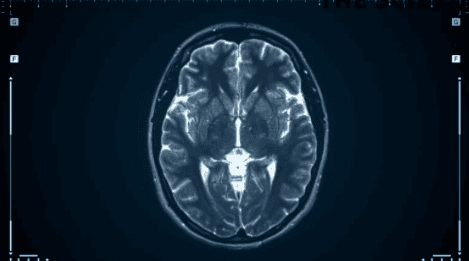
Brain imaging studies show these changes directly. PET scans comparing the brains of people with a history of cocaine use disorder to those without show visible differences in brain activity. This is physical, measurable change, not a difference in attitude or effort.
The Comparison That Helps
NIDA draws a direct comparison to other chronic conditions. Addiction is a lot like heart disease. They both disrupt the normal, healthy functioning of an organ in the body. And both have serious harmful effects. But really both are, in many cases, preventable and treatable.
This comparison matters practically. Nobody tells someone with heart disease to simply try harder or stop being weak. They get a treatment plan, medication where appropriate, lifestyle support, and ongoing monitoring. Relapse in a heart condition gets treated as a signal to adjust care, not a moral judgment. Addiction should get the same treatment.
Where the Nuance Lives
The brain disease model does not mean biology is the whole story. Most researchers describe addiction as a brain disease with embedded behavioral and social context, meaning genetics, trauma, environment, and life circumstances all shape who develops it and how it progresses. NIDA itself acknowledges that the onset of addiction typically begins with a voluntary choice to use a substance. What changes over time is that repeated use alters the brain in ways that make continued use increasingly involuntary.
This nuance matters. Calling addiction a brain disease does not erase personal responsibility for recovery, and it does not mean people are helpless. It means the condition is real, physical, and treatable, and that willpower alone is an unreliable tool against a disease that specifically undermines the brain’s capacity for self-control.
Why the Moral Failure Framing Holds People Back
Treating addiction as a moral failing has concrete costs. Because it fuels shame, which delays people from seeking help. It supports punitive responses over medical ones. It makes relapse look like proof of weak character rather than a predictable feature of a chronic condition.
Reframing addiction as a medical condition is one of the most effective ways to reduce stigma, and reduced stigma consistently leads to more people getting treatment sooner.
The Bottom Line
The science on addiction is clear enough that the major medical institutions have converged on it. Addiction changes brain circuits governing reward, stress, and self-control, in ways that persist after substance use stops. It is a chronic, treatable medical condition, shaped by biology and environment together, not a character flaw. If you or someone you care about is dealing with addiction, our treatment programs approach it as the medical condition it is, and our admissions team can walk through what care could look like for your situation. Connect with us today.